
Spring Activities for Parents and Kids to Foster Connection and Co-Regulation
- thefullpitcher
- Mar 1
- 4 min read
Spring offers a perfect chance for parents and children to spend quality time together outdoors, building stronger bonds and learning to manage emotions side by side. When parents engage in shared activities with their kids, it creates opportunities for connection and co-regulation—a process where both parent and child support each other’s emotional balance. This blog post explores practical spring activities that encourage these important moments, helping families grow closer while enjoying the season.
Why Connection and Co-Regulation Matter
Children look to their parents to help them understand and manage feelings. When parents stay calm and responsive during emotional moments, children learn to regulate their own emotions better. This shared regulation builds trust and security. Spring activities that involve cooperation and gentle guidance create natural chances for parents to model calmness and empathy.
Co-regulation is not about fixing a child’s feelings but about being present and supportive. It helps children feel seen and understood, which strengthens the parent-child relationship. Activities that require teamwork, patience, and shared focus are ideal for practicing this.
Outdoor Gardening Together
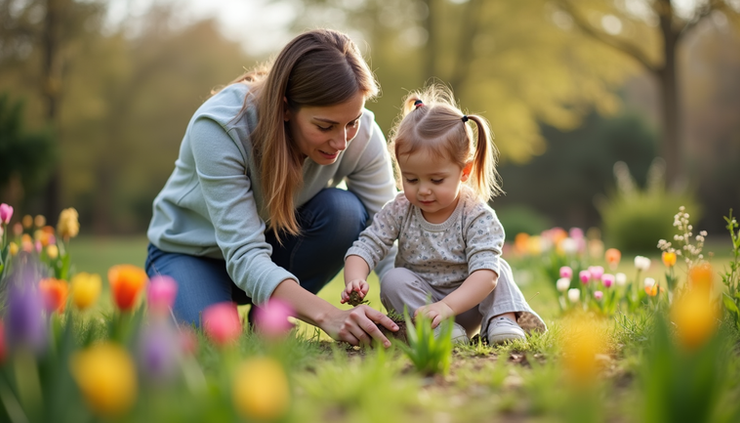
Gardening is a hands-on activity that invites patience and care. Parents and kids can plant flowers, herbs, or vegetables, watching their efforts grow over time. This slow, nurturing process encourages calm and focus.
How to start: Choose easy-to-grow plants like sunflowers or cherry tomatoes.
Co-regulation moment: When a seed doesn’t sprout right away, parents can model patience and talk about how growth takes time.
Connection tip: Share stories about plants or nature while working side by side.
Gardening also provides sensory experiences—touching soil, smelling flowers—that help children stay grounded and present.
Nature Walks with Mindful Observation
Taking a walk in a nearby park or nature reserve can be more than just exercise. It can become a mindful practice where parents and children slow down to notice details in their environment.
Try this: Bring a small notebook or camera and encourage your child to record or draw interesting plants, insects, or birds.
Co-regulation moment: If your child feels restless or overwhelmed, pause and take deep breaths together while observing a calming scene like a flowing stream or a tree canopy.
Connection tip: Ask open-ended questions like “What do you hear?” or “What colors do you see?” to invite sharing and curiosity.
This activity helps children focus attention and regulate energy while deepening their connection with their parent and nature.
Creative Outdoor Art Projects
Spring’s fresh colors inspire creativity. Parents and kids can create art using natural materials found outside or simple supplies brought along.
Ideas: Leaf rubbings, flower petal collages, or painting rocks.
Co-regulation moment: Art allows children to express feelings non-verbally. Parents can join in, showing acceptance of all creations without judgment.
Connection tip: Talk about the process and feelings involved in making art, reinforcing emotional awareness.
Creating together encourages cooperation and shared joy, which supports emotional balance.
Cooking with Seasonal Ingredients
Cooking together using fresh spring produce offers a sensory-rich experience that requires cooperation and patience.
Try simple recipes: Strawberry smoothies, fresh salads, or homemade herb butter.
Co-regulation moment: Cooking involves waiting, measuring, and following steps. Parents can guide calmly when frustration arises.
Connection tip: Share memories or stories related to the food, making the experience meaningful.
This activity teaches children about healthy choices while building emotional skills through teamwork.
Gardening, Walking, Art, and Cooking Build Emotional Skills
Each of these activities offers moments where parents can notice their child’s emotional state and respond with calm support. This shared regulation helps children feel safe and understood, which is the foundation for healthy emotional development.
Parents can use simple phrases like:
“I see you’re feeling frustrated. Let’s take a deep breath together.”
“It’s okay to feel upset. I’m here with you.”
“Look how patient you are being while we wait for the plants to grow.”
These words, combined with shared activities, create a strong emotional connection.
Tips for Making the Most of Spring Activities
Set aside regular time: Consistency helps build routines that children can rely on.
Be fully present: Put away distractions like phones to focus on your child.
Follow your child’s lead: Let them choose activities or direct the pace.
Celebrate small successes: Praise effort and cooperation rather than just results.
Use sensory cues: Notice smells, textures, and sounds to keep attention grounded.
Encouraging Emotional Growth Through Play
Play is a natural way for children to explore feelings. Spring activities that include playful elements—like a scavenger hunt during a nature walk or making funny faces with flower petals—invite laughter and lightness. These moments reduce stress and open the door for connection.
Parents who join in play without pressure create a safe space for children to express themselves freely. This openness strengthens co-regulation and builds lasting memories.
Final Thoughts on Spring Activities for Connection
Spring offers more than warmer weather and blooming flowers. It provides a chance for parents and children to grow emotionally together through shared experiences. Gardening, mindful walks, creative art, and cooking are simple ways to foster connection and co-regulation.


Comments